The gut-muscle axis: a new frontier in exercise and sports nutrition
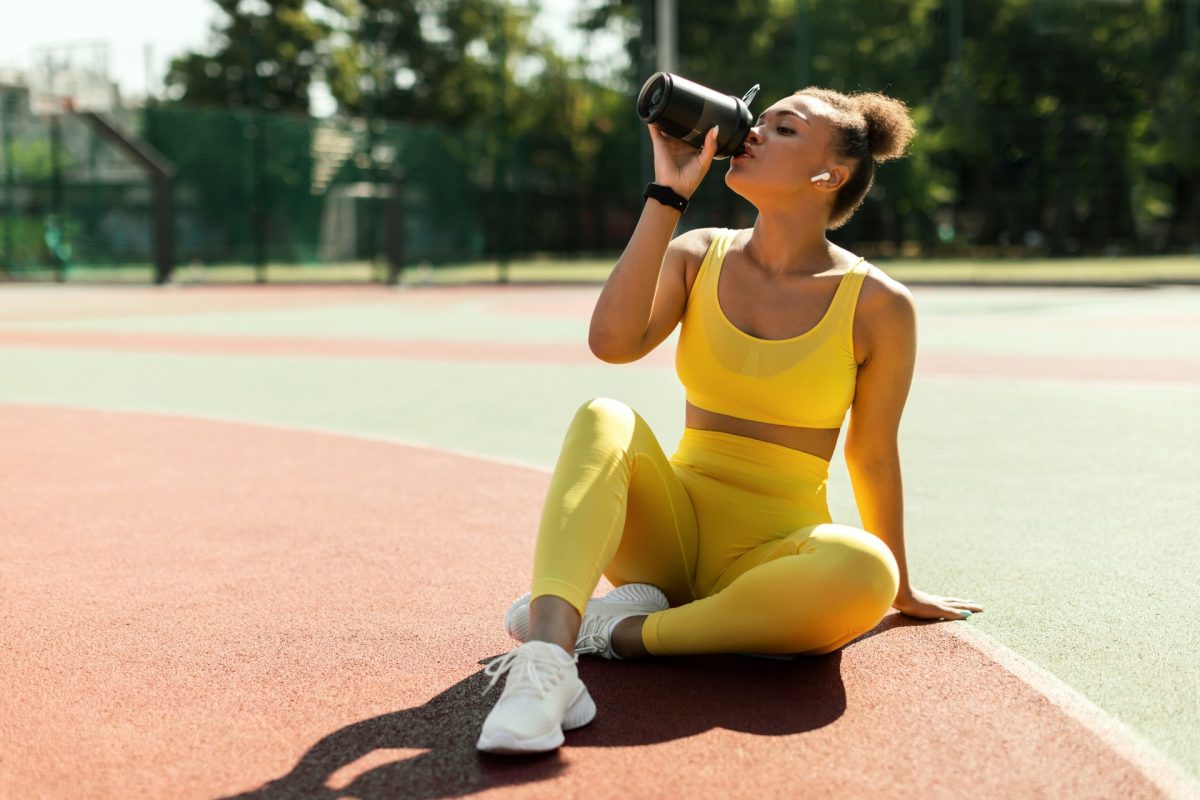
In active and sports nutrition, recovery has moved from afterthought to core performance consideration. Yet many athletes and active consumers still see progress stall, not because training intensity is lacking but because recovery fails to keep pace. This matters because muscle repair, inflammation resolution and energy replenishment all depend on effective recovery – making it one of the most underestimated drivers of performance.
Despite this, the dominant response has been to train harder and consume more protein. On paper, many routines look optimised. But in practice, unexplained fatigue and inconsistent performance tell a different story. Of course, protein quantity and quality remains essential for effective recovery. However, focusing on intake alone doesn’t always capture the full picture. Even when intake targets are met, athletes can still struggle to recover, adapt and perform consistently.
Introducing the gut-muscle axis
So, what’s really going on? Emerging research suggests the limitation is not only what is consumed but also how effectively the body can use it. That’s because optimal nutrition for athletic performance may actually begin in the gut.
Hughes RL, Holscher HD. Fueling Gut Microbes: A Review of the Interaction between Diet, Exercise, and the Gut Microbiota in Athletes. Adv Nutr. 2021 Dec 1;12(6):2190-2215. doi: 10.1093/advances/nmab077. PMID: 34229348; PMCID: PMC8634498.
Studies suggest that an athlete’s dietary strategies can modulate the gut microbiome and may indirectly affect muscle function.
Zaboub, N.M.; Bougherara, H.; Boukhechem, S.; Della Malva, A.; Albenzio, M.; Boussena, S.; Monnoye, M.; Gérard, P.; Dib, A.L. Cross-Talk Between Physical Activity, Diet, Gut Microbiota and Skeletal Muscle. Biol. Life Sci. Forum 2025, 49, 5. https:// doi.org/10.3390/blsf2025049005
This growing evidence has given rise to the gut muscle axis, a framework that links gut function, nutrient utilisation and muscle recovery. In this blog, we explore why gut stress is a hidden limiter for athletes and active consumers and how the right nutrition can shape the microbiome – and potentially the next generation of sports nutrition.
What is the gut-muscle axis?
The gut–muscle axis is a bi-directional network
Shaikh; J. Compl., ‘The muscle and the gut talk to each other via an intricate molecular conversation’, Altern. Med. Res., vol. 26, no. 8, pp. 179-191, 2025
through which the gut microbiome and its metabolites can influence muscle adaptation, protein synthesis and recovery via immune, metabolic and nutrient-related signals.
Przewłócka, K. et al. Gut-Muscle Axis Exists and May Affect Skeletal Muscle Adaptation to Training. Nutrients.12(5):1451, doi:10.3390/nu12051451 (2020)
For today’s active consumers, multi-functional nutrition has become the norm. But stacking supplements does not automatically lead to better performance outcomes. It can create the illusion of progress without addressing underlying problems. In fact, sustainable performance gains aren’t built on isolated interventions. Instead, they depend on interconnected physiological systems working together.
The gut’s role as a central influence across multiple health areas is increasingly recognised.
Valdes AM et al., Role of the gut microbiota in nutrition and health, BMJ, 2018.
In fact, research has linked the gut to digestion, immunity, energy regulation but also to features of physical performance itself.
Przewłócka, K. et al. Gut-Muscle Axis Exists and May Affect Skeletal Muscle Adaptation to Training. Nutrients.12(5):1451, doi:10.3390/nu12051451 (2020)
Recent studies have shown that specific microbial profiles and metabolites like short-chain fatty acids such as butyrate, acetate, and propionate are associated with higher measures of cardiorespiratory fitness (like VO₂max) and performance parameters under both endurance and high-intensity exercise conditions.
Humińska-Lisowska, K., Zielińska, K., Mieszkowski, J., Michałowska-Sawczyn, M., Cięszczyk, P., Łabaj, P.P., Wasąg, B., Frączek, B., Grzywacz, A., Kochanowicz, A. and Kosciolek, T. (2024). Microbiome features associated with performance measures in athletic and non-athletic individuals: A case-control study. PloS One, [online] 19(2), p.e0297858. doi: https://doi.org/10.1371/journal.pone.0297858.
Landmark study demonstrating that endurance exercise capacity may be influenced by a microbially mediated mechanism: J Scheiman, JM Luber, TA Chavkin, et al. Meta-omics analysis of elite athletes identifies a performance-enhancing microbe that functions via lactate metabolism. Nat Med, 25 (2019), pp. 1104-1109
Observational study: higher abundance of fecal short chain fatty acids in professional athletes: W Barton, NC Penney, O Cronin, et al. The microbiome of professional athletes differs from that of more sedentary subjects in composition and particularly at the functional metabolic level Gut, 67 (2018), pp. 625-633
Shaikh, Hanzala J. 2025. “Harnessing the Gut-Muscle Axis: Nutritional Strategies to Improve Physiotherapy Outcomes”. Journal of Complementary and Alternative Medical Research 26 (8):179-91. https://doi.org/10.9734/jocamr/2025/v26i8699
This suggests that the gut microbiome may be functionally linked to athletic capacity and metabolic efficiency.
With this in mind, the gut could be key to ‘better’ sports nutrition and recovery – explaining why performance can plateau despite doing everything ‘right’.
Why the gut is the missing piece in active sports nutrition
For many athletes, the gut is under as much stress as the muscles – and that stress directly impacts performance. In fact, studies show that as much as 70-86% of athletes experience gastrointestinal problems related to training which impact performance – occurring more frequently in competitive athletes than in amateurs.
Pugh JN, et al. Gastrointestinal symptoms in elite athletes: time to recognise the problem? Br J Sports Med. 2018 Apr;52(8):487-488. doi: 10.1136/bjsports-2017-098376. Epub 2017 Oct 10. PMID: 29018062.
Ziewiecka, H.; Buttar, H.S.; Kasperska, A.; Ostapiuk–Karolczuk, J.; Domagalska, M.; Cichoń, J.; Skarpańska-Stejnborn, A. Physical activity induced alterations of gut microbiota in humans: A systematic review. BMC Sports Sci. Med. Rehabil 2022, 14, 122.
Several factors can strain the gut. Firstly, while training stimulates muscle tissue to adapt/remodulate, it may also disrupt digestive function. High training loads and cumulative fatigue limits how effectively nutrients are processed and absorbed. When gut function falters under training stress, these systems operate sub optimally and performance may suffer.
Van Wijck K, Pennings B, van Bijnen AA, Senden JM, Buurman WA, Dejong CH, van Loon LJ, Lenaerts K. Dietary protein digestion and absorption are impaired during acute postexercise recovery in young men. Am J Physiol Regul Integr Comp Physiol. 2013 Mar 1;304(5):R356-61. doi: 10.1152/ajpregu.00294.2012. Epub 2013 Jan 2. PMID: 23283940.
It’s true that exercise can support gut health – up to a point. Moderate, regular activity improves microbiome diversity
Ticinesi, A. et al. Exercise and immune system as modulators of intestinal microbiome: implications for the gut-muscle axis hypothesis. Exerc Immunol Rev. 2019;25:84-95. PMID: 30753131.
and enhances the metabolism of carbohydrates and amino acids – both essential for endurance and recovery.
Petersen LM, Bautista EJ, Nguyen H, Hanson BM, Chen L, Lek SH, Sodergren E, Weinstock GM. Community characteristics of the gut microbiomes of competitive cyclists. Microbiome 5: 98, 2017
But over-exercising can trigger gut dysfunction, including microbial imbalance (dysbiosis) and systemic inflammation.
Hughes RL, Holscher HD. Fueling Gut Microbes: A Review of the Interaction between Diet, Exercise, and the Gut Microbiota in Athletes. Adv Nutr. 2021 Dec 1;12(6):2190-2215. doi: 10.1093/advances/nmab077. PMID: 34229348; PMCID: PMC8634498.
At that stage, gut health is less of a side issue and can be more of a performance variable. Importantly, emerging evidence suggests that combining exercise with targeted nutritional strategies may produce synergistic benefits for both gut integrity and muscle function, highlighting the value of an integrated approach to sports nutrition.
Hawley J, Forster S, Giles E Exercise, the Gut Microbiome and Gastrointestinal Diseases: Therapeutic Impact and Molecular Mechanisms Gastroenterology, 2025; 169, 48-62
Zaboub, N.M.; Bougherara, H.; Boukhechem, S.; Della Malva, A.; Albenzio, M.; Boussena, S.; Monnoye, M.; Gérard, P.; Dib, A.L. Cross-Talk Between Physical Activity, Diet, Gut Microbiota and Skeletal Muscle. Biol. Life Sci. Forum 2025, 49, 5. https://doi.org/10.3390/blsf2025049005
This is where the gut-muscle axis comes into play. Research indicates that exercise itself promotes a varied microbiome, while a healthy gut can enhance the effects of exercise.
Shaikh, Hanzala J. 2025. “Harnessing the Gut-Muscle Axis: Nutritional Strategies to Improve Physiotherapy Outcomes”. Journal of Complementary and Alternative Medical Research 26 (8):179-91. https://doi.org/10.9734/jocamr/2025/v26i8699
Muscle recovery, strength adaptations and overall athletic performance can be influenced by gut microbiota composition and function.
Hughes RL, Holscher HD. Fueling Gut Microbes: A Review of the Interaction between Diet, Exercise, and the Gut Microbiota in Athletes. Adv Nutr. 2021 Dec 1;12(6):2190-2215. doi: 10.1093/advances/nmab077. PMID: 34229348; PMCID: PMC8634498.
Xu Y and He B (2025) The gut-muscle axis: a comprehensive review of the interplay between physical activity and gut microbiota in the prevention and treatment of muscle wasting disorders. Front. Microbiol. 16:1695448. doi: 10.3389/fmicb.2025.1695448
Shaikh, Hanzala J. 2025. “Harnessing the Gut-Muscle Axis: Nutritional Strategies to Improve Physiotherapy Outcomes”. Journal of Complementary and Alternative Medical Research 26 (8):179-91. https://doi.org/10.9734/jocamr/2025/v26i8699.
In addition, even when athletes eat the right foods to support recovery, gut stress may reduce nutrient absorption. The potential result? Suboptimal muscle repair, depleted energy stores and stalled progress.
Shaikh; J. Compl., ‘The muscle and the gut talk to each other via an intricate molecular conversation’, Altern. Med. Res., vol. 26, no. 8, pp. 179-191, 2025
Unlocking performance with prebiotic GOS for gut health
Any athlete knows that marginal gains matter. In part, this idea has been a driving force behind the ‘protein plus’ movement. Combining protein with extra ingredients can help unlock small but crucial performance gains beyond muscle strength – such as electrolytes for hydration, carbohydrates for energy, and vitamins and minerals for immunity. So, as understanding of the gut-muscle axis grows, gut support is becoming the logical next addition to ‘protein plus’ innovation.
Read more about the rise of protein plus products in our 2026 trends magazine.
This is where prebiotics become foundational. During periods of high demand, prebiotics for sports nutrition can help optimise gut conditions that boost short chain fatty acid production – key metabolites influencing muscle health –
Liu, X.; Xu, M.; Wang, H.; Zhu, L. Role and Mechanism of Short-Chain Fatty Acids in Skeletal Muscle Homeostasis and Exercise Performance. Nutrients 2025, 17, 1463. https://doi.org/10.3390/ nu17091463
and support more efficient nutrient absorption, immune function, recovery and more.
Galacto-oligosaccharides (GOS) are clinically proven prebiotics that selectively nourishing beneficial bacteria and effectively boost Bifidobacteria.
Johnstone et al., Nutrients. 2021 Dec 8;13(12):4384 https://pubmed.ncbi.nlm.nih.gov/40532960/
Looijestijn et al 2024 Frontiers in Nutrition; 11; 2024; https://pubmed.ncbi.nlm.nih.gov/39224188/
Looijesteijn et al., 2025. Bifidobacterium lactis B94 and Galacto-oliogsaccharides, a complementary symbiotic to support gut comfort. International scientific conference probiotics, prebiotics, gut microbiota and health, Greece 2025
These bacteria play critical roles in various functions, including immune regulation and gut barrier integrity
Krumbeck et al., 2018
– functions that come under strain during intense training.
Dziewiecka, H.; Buttar, H.S.; Kasperska, A.; Ostapiuk–Karolczuk, J.; Domagalska, M.; Cichoń, J.; Skarpańska-Stejnborn, A. Physical activity induced alterations of gut microbiota in humans: A systematic review. BMC Sports Sci. Med. Rehabil 2022, 14, 122.
A recent study confirmed that GOS is a strong inducer of short chain fatty acids in the gut, such as butyrate,
Looijesteijn et al., 2025. Bifidobacterium lactis B94 and Galacto-oliogsaccharides, a complementary symbiotic to support gut comfort. International scientific conference probiotics, prebiotics, gut microbiota and health, Greece 2025
important metabolites for muscle health.
Liu, X.; Xu, M.; Wang, H.; Zhu, L. Role and Mechanism of Short-Chain Fatty Acids in Skeletal Muscle Homeostasis and Exercise Performance. Nutrients 2025, 17, 1463. https://doi.org/10.3390/ nu17091463
In fact, research has shown that GOS not only supports digestive health and comfort,
Schoemaker et al., Nutrients. 2022 Jan 12;14(2):309
it can also help mineral absorption
Jeroense et al. Acute Consumption of Prebiotic Galacto-Oligosaccharides Increases Iron Absorption from Ferrous Fumarate, but not from Ferrous Sulfate and Ferric Pyrophosphate: Stable Iron Isotope Studies in Iron-Depleted Young Women, The Journal of Nutrition (2020).
and even reduce feelings of anxiety.
Johnstone and Cohen Kadosh. Brain Behav Immun. 2025 Jun 16:129:573-584 https://pubmed.ncbi.nlm.nih.gov/40532960/
What’s more, GOS is generally well tolerated – which is ideal for athletes that may already be experiencing digestive discomfort.
For formulators, GOS prebiotic ingredients enable clear protein ‘plus’ positioning by reinforcing gut health as a performance enabler. By supporting a healthy gut, GOS can help unlock greater value from existing formulations – without adding unnecessary complexity. But translating this into real-world performance means starting from the right place.
Targeting the gut-muscle axis: all-in-one fermented solution
When it comes to innovating for the gut-muscle axis, our aim is to help athletes and active consumers reach their full potential – both in and out of the gym. Because intense exercise can place stress on digestion, energy levels and mental wellbeing, we set out to create a solution designed to meet the complex demands of modern training.
That’s why we developed Fermentis: an all-in-one fermented formulation that supports performance from the inside-out. A first-of-its-kind solution, Fermentis combines the benefits of whey protein, GOS and probiotic cultures by fermenting them together. By fermenting these components together, Fermentis is designed to enhance the synergy between these ingredients for maximum performance and recovery support.
A real-life
Kersch-Counet et al. ICNFFS April 2023
and a clinical study
Wardenaar et al., 2024
have shown that Fermentis can help active consumers and athletes maximise performance by supporting holistic health via the gut-muscle axis. After three weeks of daily use, participants reported improved digestive health, including a 60% reduction in bloating.
Schoemaker et al., Nutrients. 2022 Jan 12;14(2):309
Jeroense et al. Acute Consumption of Prebiotic Galacto-Oligosaccharides Increases Iron Absorption from Ferrous Fumarate, but not from Ferrous Sulfate and Ferric Pyrophosphate: Stable Iron Isotope Studies in Iron-Depleted Young Women, The Journal of Nutrition (2020).
This was supported by a beneficial microbiota composition, enhanced physical and mental well-being, with 80% of participants feeling more balanced, less worried and better able to manage daily demands.
Schoemaker et al., Nutrients. 2022 Jan 12;14(2):309
Jeroense et al. Acute Consumption of Prebiotic Galacto-Oligosaccharides Increases Iron Absorption from Ferrous Fumarate, but not from Ferrous Sulfate and Ferric Pyrophosphate: Stable Iron Isotope Studies in Iron-Depleted Young Women, The Journal of Nutrition (2020).
Real-world gut-muscle axis applications
Innovation in the gut-muscle axis isn’t just about ingredients – it’s also about creating practical, ready-to-use solutions that support performance and fit into everyday life. Our application concepts include:
- Fermentis Uplift Pouches: a light, ready-to-mix shake that blends easily with water
- Prebiotic-enhanced protein waters: combining hydration with nutrition to support recovery and digestive health
- Prebiotic-enhanced protein waters: combining hydration with nutrition to support recovery and digestive health
From muscle-first thinking to system-level performance
Performance nutrition is entering a more mature phase, moving beyond protein alone towards holistic approaches that support recovery. And targeting the gut-muscle axis provides a new way of enhancing performance solutions through this lens. It shifts the conversation from isolated inputs to system readiness, where gut resilience can support consistent training, effective recovery and sustained progress.
For active and sports nutrition brands, the opportunity lies in enabling this shift. Moving beyond muscle-first formulations to support nutrient utilisation, improved digestion and better overall well-being allows performance benefits to be delivered more reliably, not just more intensively.
-
How does gut health influence muscle recovery and athletic performance?
Gut health influences how efficiently the body digests, absorbs and uses nutrients needed for muscle repair and recovery. A resilient gut also helps the body withstand training stress. When gut function is compromised, it can impair nutrient utilisation – even when training and protein intake are optimised.
-
Which applications can Fermentis be formulated in?
Fermentis is a versatile ingredient that is well suited to a variety of applications. For example, it can be formulated into a powder pouch to provide a convenient on-the-go holistic solution between training sessions. Or as refreshing prebiotic protein waters – ideal for active consumers with busy, demanding lives.
-
What’s the optimal daily dosage of GOS for athletes?
The optimal dose of GOS varies depending on formulation, diet and individual tolerance. Studies conducted with our GOS suggest benefits for gut microbiota and digestive comfort at doses ranging from 2–11 grams per day.